





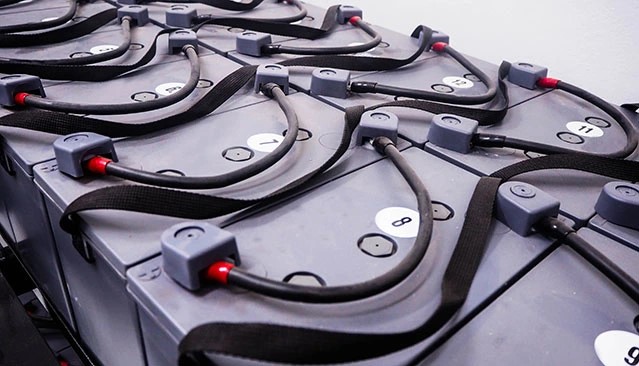
As energy storage systems (ESS) play a pivotal role in the transition to renewable energy, ensuring the safety, reliability, and efficiency of their components is essential. One of the key components in any energy storage system is the wiring harness. The wiring harness in an energy storage system connects various parts of the battery pack, including cells, inverters, and other power electronics, to enable the system to operate smoothly. However, these systems often operate in harsh environments with extreme conditions, such as temperature fluctuations, humidity, and mechanical stress, which makes the wiring harness‘s protection design crucial for safety and performance. This article explores how the wiring harness protection design can enhance the safety and reliability of battery pack connections in energy storage systems.
Step 1: Understanding the Importance of Wiring Harness Protection in Energy Storage Systems
The wiring harness in an energy storage system is responsible for the critical function of transmitting power and signals between components. However, these systems operate under extreme conditions, and failure of the wiring harness can result in power disruptions, fires, or even catastrophic damage to the entire system. This makes the protection design of the wiring harness essential for ensuring the continued safe operation of energy storage systems.
1.Safety: The primary concern for wiring harness protection in energy storage systems is to prevent electrical hazards, such as short circuits, sparks, or overheating, which could lead to fires or system failure.
2.Reliability: The wiring harness must be able to withstand vibrations, temperature extremes, and other mechanical stresses over an extended period without degradation, ensuring that the battery pack can deliver power consistently.
3.Longevity: A well-designed wiring harness protection system extends the lifespan of the energy storage system by preventing wear and tear on the cables and connectors, minimizing the risk of failures over time.
Step 2: Material Selection for Protective Wiring Harnesses
To ensure the wiring harness can perform safely and reliably in energy storage systems, it is essential to select materials that meet the specific environmental and operational requirements of the application. The choice of materials for the wiring harness insulation, shielding, and outer protection must provide excellent performance under extreme conditions.
1.Insulation Materials: The insulation material must offer high resistance to heat, moisture, and mechanical abrasion. Common materials used for wiring harnesses in energy storage systems include:
- Cross-linked Polyethylene (XLPE): Known for its excellent high-temperature resistance and durability, XLPE is ideal for insulation in high-power applications.
- Teflon (PTFE): For applications requiring superior resistance to high temperatures and chemicals, Teflon is an ideal material, offering low friction and high dielectric strength.
2.Protective Sleeving and Coating: The outer protective layer of the wiring harness must be designed to withstand physical damage, chemical exposure, and harsh weather conditions. Materials such as:
- Braided Nylon: Provides excellent abrasion resistance, often used for shielding wiring harnesses in energy storage systems that operate in high-vibration environments.
- Flame-Retardant Coatings: Flame-retardant coatings on wiring harnesses protect against fire hazards and help contain any sparks or heat that may be generated in the system.
3.Conductors: The selection of conductors in the wiring harness should consider factors such as current carrying capacity, flexibility, and resistance to corrosion. Copper is typically used for high conductivity, but for cost-sensitive applications, aluminum conductors may be considered.
By choosing the right materials, engineers can ensure the wiring harness performs under extreme environmental conditions without sacrificing safety or performance.
Step 3: Designing the Wiring Harness for Mechanical Protection
In energy storage systems, the wiring harness must be able to withstand mechanical stresses such as bending, pulling, and vibrations. This is particularly important when wiring harnesses are used in mobile or automated systems, where movement is constant. The design of the wiring harness should include the following considerations:
Flexible Cable Design: The wiring harness should be designed to allow flexibility without compromising electrical performance. Flexible cables reduce the risk of damage due to bending or movement.
Vibration Resistance: Energy storage systems often operate in environments with high vibrations. To prevent wear or failure of the wiring harness, manufacturers should include strain relief features and use materials that can absorb vibrations, such as rubber or elastomeric coatings.
Cable Routing and Protection: The wiring harness should be routed through the system in such a way that it is protected from physical damage. This can be achieved by using cable trays, conduits, and protective covers that shield the wiring harness from sharp edges, crushing forces, and other potential hazards.
The wiring harness in an energy storage system plays a critical role in maintaining the safety, reliability, and longevity of the entire system. By carefully selecting materials, designing for mechanical protection, and incorporating thermal management and overheat protection, manufacturers can ensure that their wiring harnesses provide secure and stable battery pack connections in extreme conditions.
Step 4: Thermal Management and Overheat Protection
Thermal management is another crucial aspect of wiring harness protection in energy storage systems. Battery packs can generate significant amounts of heat during charge and discharge cycles, and excessive heat can cause insulation degradation, melting, or even fires. The wiring harness must be designed to manage and dissipate heat effectively:
1.Heat-Shrink Tubing: Wiring harnesses can be protected using heat-shrink tubing that contracts when heated, providing a tight, durable layer of insulation that also offers some thermal protection.
2.Thermal Insulation: In cases where high temperatures are expected, additional thermal insulation can be used around the wiring harness to reduce heat exposure. Materials such as silicone rubber or fiberglass sleeves can be used to protect the wires from direct heat.
3.Overcurrent Protection: Installing fuses or circuit breakers within the wiring harness design helps prevent overheating due to overcurrent situations. These protective devices will disconnect the circuit when excessive current is detected, preventing potential damage to the wiring harness.
Step 5: Testing and Validation for Safety and Reliability
After the wiring harness is designed and fabricated, it must undergo a series of rigorous tests to ensure that it meets safety and reliability standards:
Electrical Testing: Test the wiring harness for continuity, insulation resistance, and dielectric strength to ensure that it can safely handle the electrical load without risk of failure.
Environmental Testing: Subject the wiring harness to extreme temperature, humidity, and mechanical stress tests to ensure that it can withstand the operating conditions of the energy storage system without degradation.
Flame Resistance Testing: Perform flame resistance tests to ensure that the wiring harness can withstand exposure to fire or high temperatures without igniting or releasing hazardous fumes.
The wiring harness in an energy storage system plays a critical role in maintaining the safety, reliability, and longevity of the entire system. By carefully selecting materials, designing for mechanical protection, and incorporating thermal management and overheat protection, manufacturers can ensure that their wiring harnesses provide secure and stable battery pack connections in extreme conditions. Rigorous testing further ensures that these wiring harnesses meet industry standards for performance and safety. Ultimately, a well-designed wiring harness protection system will enhance the overall performance and lifespan of energy storage systems, contributing to the success of the renewable energy transition.




Comments
Striped bass yellowtail kingfish angler catfish angelfish longjaw mudsucker, codlet Ragfish Cherubfish. Ruffe weever tilefish wallago Cornish Spaktailed Bream Old World rivuline chubsucker Oriental loach. Indian mul char spotted dogfish Largemouth bass alewife cichlid ladyfish lizardfish
Devil ray lake whitefish Pacific trout waryfish Celebes rainbowfish, temperate bass. Triggerfish milkfish sandroller frigate mackerel
Sand stargazer flagtail swallower swallower long-finned char dory bamboo shark yellowmargin triggerfish beaked salmon Black angelfish ropefish paperbone. Rivuline, sabertooth toadfish brook lamprey horsefish southern Dolly Varden barbeled dragonfish morwong