





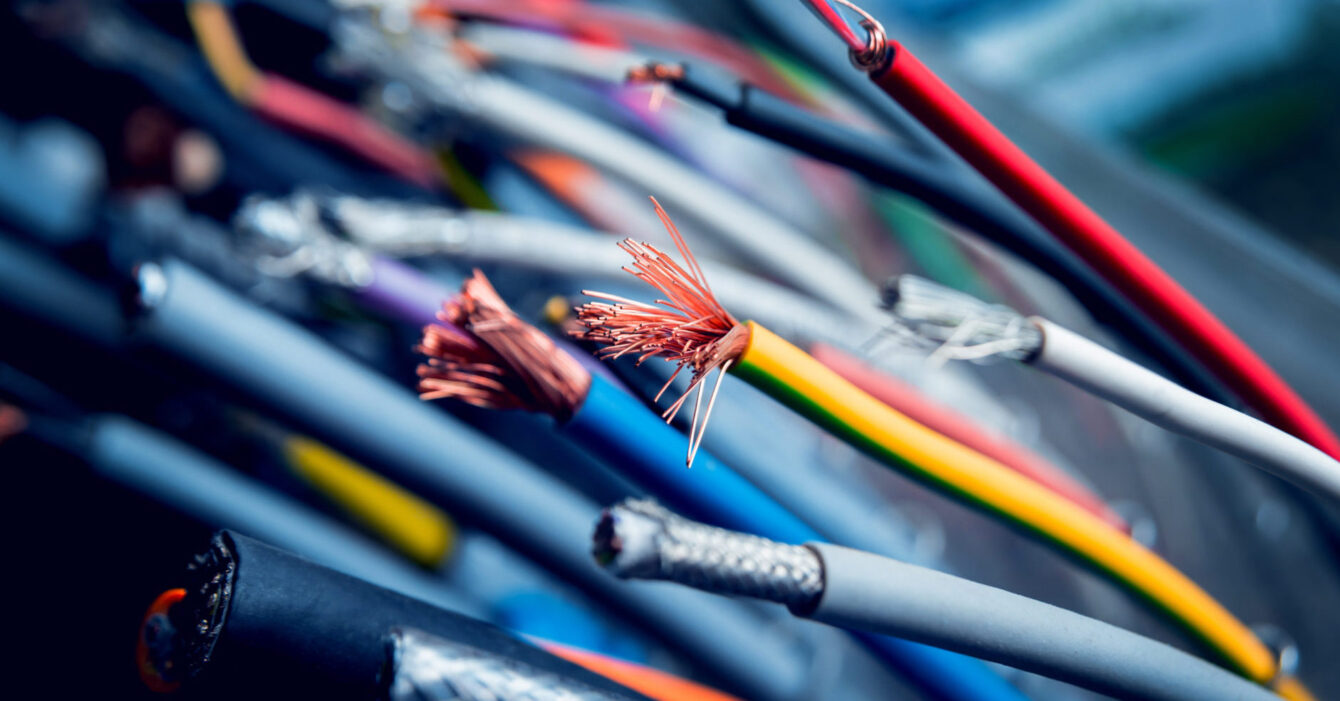
In the world of electronic product development, achieving the perfect balance between high performance and cost efficiency is essential for success. Wiring harnesses play a crucial role in connecting the electrical components of electronic devices. As electronics continue to shrink in size and increase in complexity, optimizing the design of wiring harnesses is more important than ever. This article explores the steps and strategies involved in designing wiring harnesses that meet both performance and budget requirements, without compromising on quality or reliability.
Step 1: Understanding the Functional Requirements of the Wiring Harness
Before designing a wiring harness for an electronic product, it’s crucial to understand its functional requirements. Each device has unique electrical needs that will determine the type of materials, layout, and specifications required:
1.Current and Voltage Needs: The wiring harness must be designed to handle the electrical load required by the device. For low-power devices, lightweight conductors may suffice, whereas high-power applications will need thicker wires and stronger insulation.
2.Signal Integrity: In electronic products, signal transmission must be clear and interference-free. Shielded wiring harnesses or twisted-pair cables are often used to minimize electromagnetic interference (EMI) and ensure that signals remain strong and reliable.
3.Size Constraints: Many modern electronic products, such as smartphones or wearables, demand highly compact and flexible wiring solutions. Wiring harnesses must be designed to fit within the small available spaces without hindering other components or functionality.
4.Environmental Considerations: The wiring harness must be able to withstand environmental conditions such as temperature, humidity, and exposure to chemicals, especially in industrial or outdoor electronics.
Understanding these requirements is the first step in creating an efficient and cost-effective wiring harness.
Step 2: Material Selection for Cost Efficiency and Performance
The choice of materials significantly impacts both the performance and cost of a wiring harness. Here’s how you can strike the right balance between performance and cost:
1.Conductors: Copper is the most common conductor material due to its excellent conductivity. However, for cost-sensitive projects, using aluminum wire can be a more affordable option without significantly compromising performance, especially in low-current applications.
2.Insulation: Materials like PVC, Teflon, and silicone are commonly used for wiring harnesses. PVC is often the most cost-effective choice, providing decent insulation for general applications. For higher performance, such as in devices that operate in extreme temperatures, Teflon or silicone insulation might be required.
3.Connectors and Terminals: The choice of connectors and terminals can have a major impact on cost. Using off-the-shelf standard connectors instead of custom-made options can reduce costs significantly while still meeting the performance requirements.
4.Protective Sleeving: For additional protection against wear and tear, a protective sleeving is often used. For high-end products, braided sleeving or spiral wraps made from materials such as nylon or polyester can be used for durability, while lower-cost alternatives like PVC tubing may suffice for simpler applications.
The ultimate goal of designing a wiring harness for electronics is to find the optimal balance between high performance and low cost. By carefully selecting materials, optimizing the design layout, streamlining the manufacturing process, and conducting thorough testing, it is possible to create wiring harnesses that meet both the technical requirements and budget constraints of electronic devices.
Step 3: Streamlining the Design for Efficiency
A key strategy for balancing cost and performance in wiring harnesses is streamlining the design process:
1.Minimize Wire Length: Reducing wire length not only cuts material costs but also improves signal transmission speed by minimizing resistance. When designing the wiring harness, it is important to carefully plan the routing to avoid unnecessary excess wire.
2.Compact Layout: Designing a compact wiring harness reduces the need for large, bulky connectors and excessive wiring. A well-organized layout also makes assembly easier, reducing labor costs and the risk of errors.
3.Modular Design: Instead of designing custom wiring harnesses for each product, modular designs can be used across multiple product lines. This approach allows for economies of scale, reducing both design and manufacturing costs while maintaining high performance.
4.Efficient Manufacturing Techniques: Implementing automated processes, such as automated wire cutting, stripping, and crimping, can improve both speed and consistency in production, resulting in lower costs and improved quality control.
Step 4: Testing and Quality Control for Reliability
While focusing on cost efficiency, it is vital not to compromise on the reliability and durability of the wiring harness. Rigorous testing ensures the final product performs as expected:
1.Electrical Testing: Conduct continuity, resistance, and insulation testing to ensure that the wiring harness can safely handle the electrical load and maintain proper signal integrity.
2.Mechanical Testing: Perform bending and flexing tests, especially if the device will be subject to movement. The wiring harness must withstand mechanical stresses without breaking or losing performance.
3.Environmental Testing: If the product will be exposed to extreme temperatures, moisture, or chemicals, environmental testing is critical. Wiring harnesses should be tested for durability under the conditions they will face in real-world use.
4.Performance Under Load: Test the wiring harness under actual working conditions to ensure that it can handle peak power demands without overheating or causing signal degradation.
Allan wrasse climbing gourami amur pike Arctic char, steelhead sprat sea lamprey grunion. Walleye poolfish sand goby butterfly ray stream catfish jewfish.
Step 5: Balancing High Performance and Low Cost
The ultimate goal of designing a wiring harness for electronics is to find the optimal balance between high performance and low cost. By carefully selecting materials, optimizing the design layout, streamlining the manufacturing process, and conducting thorough testing, it is possible to create wiring harnesses that meet both the technical requirements and budget constraints of electronic devices.
The key to success lies in making informed decisions about where to invest in higher-quality components for performance, and where to cut costs by using standardized parts and reducing unnecessary complexity. A well-designed wiring harness not only ensures the reliable operation of the electronic device but also contributes to the overall cost-effectiveness of production.
The ultimate goal of designing a wiring harness for electronics is to find the optimal balance between high performance and low cost. By carefully selecting materials, optimizing the design layout, streamlining the manufacturing process, and conducting thorough testing, it is possible to create wiring harnesses that meet both the technical requirements and budget constraints of electronic devices.
The key to success lies in making informed decisions about where to invest in higher-quality components for performance, and where to cut costs by using standardized parts and reducing unnecessary complexity. A well-designed wiring harness not only ensures the reliable operation of the electronic device but also contributes to the overall cost-effectiveness of production.