





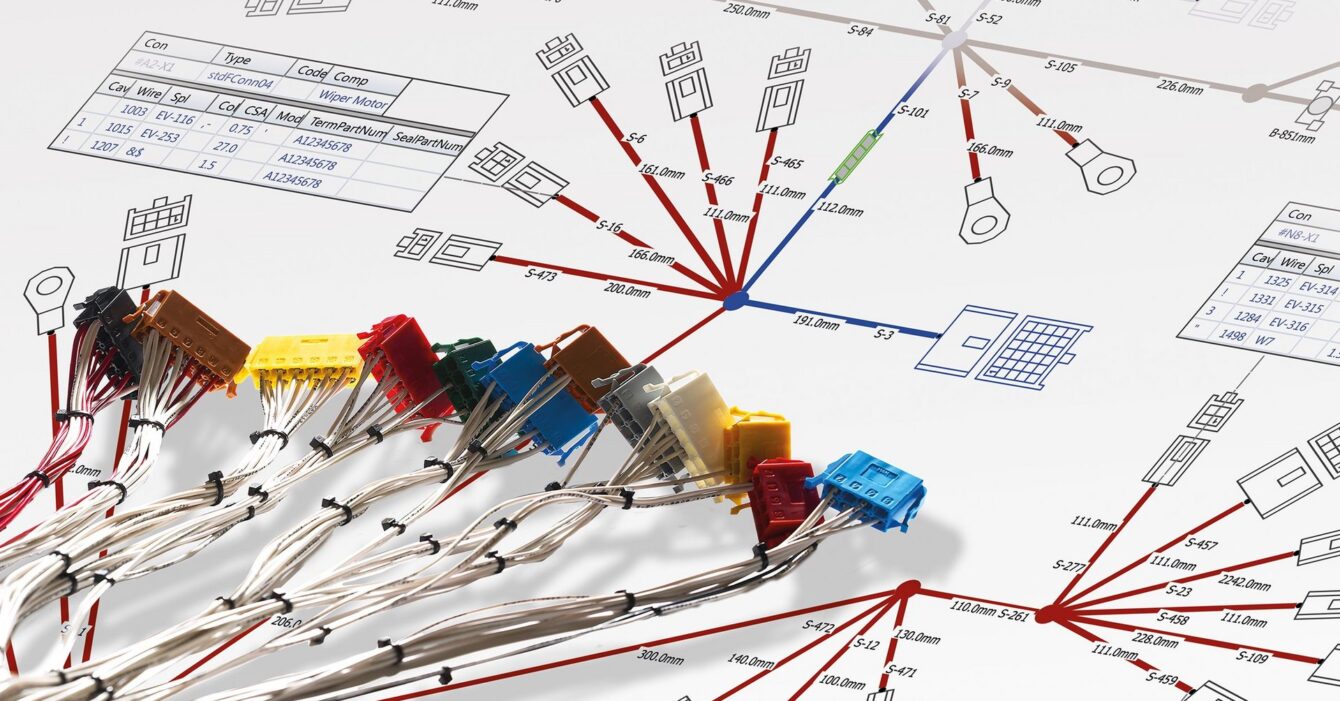
With the increasing demand for smaller and more efficient electronic devices, the design of wiring harnesses has had to evolve. Miniaturized wiring harnesses are now crucial components in a variety of electronic products, including smartphones, wearables, laptops, and IoT devices. As the size of electronic products shrinks, engineers face the challenge of maintaining high-performance standards while also managing space constraints. In this article, we will explore how to design miniaturized wiring harnesses that not only meet the performance requirements but also maintain signal integrity and electromagnetic interference (EMI) resistance.
Challenges in Miniaturized Wiring Harness Design
Designing wiring harnesses for compact electronic devices presents several unique challenges. The primary difficulty lies in fitting all the necessary wires and connectors into a limited space while ensuring the harness can still perform reliably. At the same time, the wiring harness must also protect against factors such as EMI, physical stress, and heat generation. Here are some of the challenges:
1.Space Constraints: As electronic devices shrink in size, the internal space available for components, including wiring harnesses, becomes more limited. A traditional wiring harness design may no longer fit within these confined spaces without compromising functionality or durability.
2.Signal Integrity: Smaller wiring harnesses need to ensure stable signal transmission despite the reduced space, which could potentially cause interference or signal loss. This requires the use of high-quality insulation and effective shielding solutions.
3.Electromagnetic Interference (EMI): As devices become more compact, the risk of EMI increases. This interference can degrade signal quality and cause malfunctions in electronic devices. Miniaturized wiring harnesses must incorporate shielding techniques that maintain signal integrity while fitting within tight spaces.
Key Design Considerations for Miniaturized Wiring Harnesses
1.Selection of High-Quality Materials:
- In miniaturized wiring harnesses, material selection is crucial to ensure both performance and durability. Engineers often opt for materials with high insulation properties, such as Teflon, silicone, and polyimide, which provide excellent electrical insulation without increasing the overall size of the harness.
- For the conductors, copper alloys or silver-plated copper are often used to improve conductivity while minimizing the size of the wire. Using high-conductivity materials ensures that even the smallest wires can carry the required current without overheating or losing signal strength.
2.Advanced Shielding Solutions:
- To maintain signal integrity and protect against EMI, miniaturized wiring harnesses often incorporate advanced shielding techniques. Braided wire shields, foil shields, and conductive coatings are common methods used to protect sensitive wires from external interference.
- Shielding effectiveness is particularly important in small electronics where high-frequency signals are used. These wiring harnesses often feature double or triple shielding layers to prevent signal degradation and electromagnetic leakage.
3.Smaller, Custom Connectors:
- Miniaturized wiring harnesses require connectors that are smaller in size but still maintain reliability and performance. Custom connectors with fine-pitch contacts are often employed to ensure the connectors fit within the tight spaces of small devices.
- Surface-mount technology (SMT) connectors are commonly used in compact electronic designs, offering low profile and efficient electrical connection without occupying valuable space inside the device.
4.Flexible and Durable Insulation:
- In smaller devices, wiring harnesses need to be flexible enough to bend and fit within tight spaces without causing wear or damage. To achieve this, manufacturers often use flexible insulations such as polyolefin shrink tubing or silicone coatings, which allow the wiring harness to conform to the contours of the device.
- The insulation must also be durable and resistant to heat, chemicals, and abrasion, which is especially important for portable devices that are subjected to frequent handling.
Miniaturized Conductors:
- To reduce the size of the wiring harness, it is essential to use fine-gauge conductors that can carry the required current while fitting into compact spaces. Multiconductor cables are a popular choice for miniaturized wiring harnesses as they combine several individual wires into a single, compact package.
- The use of multi-strand conductors helps maintain flexibility, ensuring the wiring harness can bend without causing conductor breakage.
By selecting the right materials, using advanced shielding techniques, and employing custom connectors, it is possible to create wiring harnesses that maintain high functionality in even the smallest devices.
Maintaining Signal Stability and EMI Resistance in Miniaturized Wiring Harnesses
1.Signal Integrity:
- In compact devices, ensuring signal integrity is critical. The reduced space between wires in miniaturized wiring harnesses can cause signal loss or interference. To combat this, engineers design the harness with precise wire routing and minimize the length of each wire to reduce the potential for interference.
- Additionally, using twisted pair or coaxial cables in the wiring harness can help reduce cross-talk and signal degradation by providing a balanced, shielded connection between
2.EMI Shielding:
- Electromagnetic interference can cause a range of issues in miniaturized electronics, from poor signal quality to complete system failure. To ensure the reliability of the wiring harness, engineers often apply conductive materials such as braided copper, aluminum foil, or carbon-based coatings for shielding.
- The application of shielding not only protects the wiring harness but also prevents emissions from the device, ensuring compliance with regulatory standards such as FCC or CE certifications.
3.Minimizing Crosstalk and Noise:
- Wiring harnesses in electronic devices need to minimize crosstalk, which occurs when signals from adjacent wires interfere with each other. To reduce crosstalk, wires in the wiring harness can be twisted or separated by physical barriers. Additionally, grounding techniques such as the use of shielded ground wires help reduce noise.
The Future of Miniaturized Wiring Harnesses
As technology continues to push the limits of miniaturized electronics, the demand for wiring harnesses that combine high performance with minimal space will only grow. Future advancements may include even more compact connectors, improved shielding materials, and innovations in flexible conductors that can handle more power in smaller packages. Engineers will continue to design wiring harnesses that meet the evolving needs of the electronics industry while ensuring signal integrity, reliability, and ease of manufacturing.
Designing miniaturized wiring harnesses for electronic products presents a complex challenge, requiring engineers to balance size constraints with performance needs. By selecting the right materials, using advanced shielding techniques, and employing custom connectors, it is possible to create wiring harnesses that maintain high functionality in even the smallest devices. As technology advances, the design and manufacturing of wiring harnesses will continue to evolve, helping electronics manufacturers meet the demands for smaller, more efficient, and reliable products.