




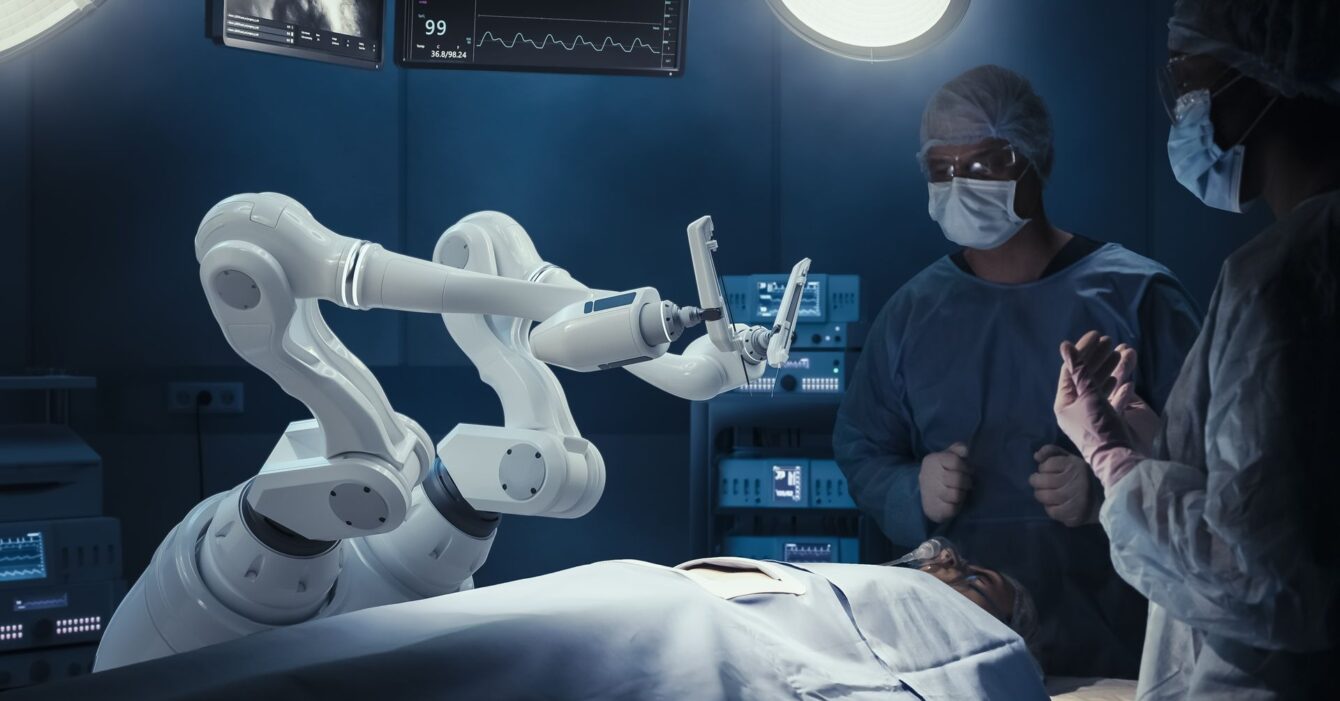
In the world of healthcare, the reliability and safety of medical equipment are paramount. Wiring harnesses play a critical role in ensuring the stable operation of medical devices, providing secure electrical connections between components while protecting against environmental factors such as heat, moisture, and electromagnetic interference. For engineers and procurement professionals, selecting the right wiring harness for medical equipment is essential to maintaining device performance and safety. This article will explore the key considerations in choosing and protecting wiring harnesses for medical devices, including designing for temperature resistance, waterproofing, and EMI protection.
The Role of Wiring Harnesses in Medical Devices
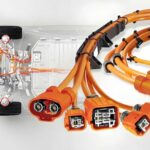
Wiring harnesses in medical equipment are responsible for securely transmitting power and data between various electrical components, such as sensors, displays, motors, and controllers. These wiring harnesses must meet stringent performance standards, as any failure in the electrical system can have serious consequences, including device malfunction or compromised patient safety.
Key functions of wiring harnesses in medical devices include:
- Power Distribution: Ensuring that power is consistently delivered to critical components of medical devices, such as monitors, imaging systems, and diagnostic tools.
- Signal Transmission: Carrying signals between sensors, probes, and controllers to relay real-time data for accurate medical analysis.
- Reliability and Safety: Ensuring that the electrical connections remain intact and secure, even under stressful operating conditions, to maintain the integrity of the device.
Key Considerations for Selecting Medical Wiring Harnesses
When designing wiring harnesses for medical equipment, engineers must account for several factors that ensure the safety, reliability, and durability of the device. Here are some key considerations:
1.Temperature Resistance:
- Medical devices often operate in environments with varying temperatures, from operating rooms to outdoor clinics. Wiring harnesses used in medical equipment must be designed to withstand these temperature fluctuations without compromising performance.
- Materials like silicone and Teflon are commonly used for their excellent temperature resistance, ensuring the wiring harness can perform in both low and high-temperature environments.
2.Waterproof and Moisture Resistance:
- In medical applications, especially those related to patient care, wiring harnesses must be able to withstand exposure to moisture, including cleaning agents, spills, or even bodily fluids.
- Waterproof wiring harnesses are crucial for devices that are sterilized or used in environments where moisture is a constant concern. Wiring harnesses are often protected with silicone or polyolefin tubing, which provides waterproofing and prevents moisture from infiltrating the electrical connections.
3.Electromagnetic Interference (EMI) Protection:
- Medical devices often contain sensitive equipment that requires protection from electromagnetic interference (EMI). Interference can disrupt signal accuracy, leading to faulty readings and device malfunction.
- Shielding is essential in wiring harnesses for medical devices. Braided metal shields, foil shields, or conductive coatings are applied to wiring harnesses to protect against EMI. The shielding prevents external electrical noise from disrupting the sensitive electronics inside the device.
4.Chemical Resistance:
- Medical environments frequently expose equipment to chemicals, such as disinfectants and sterilizing agents. Wiring harnesses used in medical equipment must be made from materials that resist degradation when exposed to these substances.
- Materials like Teflon and polyvinyl chloride (PVC) are resistant to chemical exposure and are commonly used to coat wires and cables in wiring harnesses.
By considering factors such as temperature resistance, waterproofing, EMI protection, and chemical resistance, engineers can design wiring harnesses that provide secure, stable connections in even the most challenging medical environments.
Designing Wiring Harnesses for Medical Device Safety
The design of wiring harnesses for medical devices must prioritize both electrical performance and physical protection. Here are some key design principles to ensure safety and durability:
1.Insulation and Encapsulation:
- Insulation is crucial to prevent short circuits and ensure that electrical signals remain secure and uncorrupted. High-quality insulation materials like silicone, PVC, or Teflon are often used to provide both electrical isolation and protection against mechanical stress.
- In addition to insulation, some medical wiring harnesses are encapsulated in flexible, durable coatings that provide additional protection from physical damage and environmental factors.
2.Durability and Flexibility:
- Medical devices require wiring harnesses that can handle movement without suffering from wear and tear. Flexible PVC or Teflon materials are used to create wiring harnesses that can bend without breaking or losing their electrical conductivity.
- The wiring harness must also be rugged enough to withstand constant use, vibration, and even accidental pulls without causing internal damage to the wiring or connections.
3.Connector Design and Compatibility:
- Wiring harnesses in medical equipment must also be designed with the right connectors. These connectors must ensure secure and reliable electrical connections while being easy to install and maintain.
- Quick-connect terminals and snap-lock connectors are commonly used in medical wiring harnesses to ensure a secure connection that can be easily disconnected or replaced when necessary.
Protecting Medical Wiring Harnesses for Long-Term Reliability
To maintain the reliability of wiring harnesses in medical devices over time, protection is critical. The following methods are commonly employed:
1.Overmolding and Coating:
- Overmolding is a technique where a layer of protective material, often rubber or silicone, is applied over the wiring harness to provide additional durability. This process ensures the wiring harness is resistant to physical wear, water ingress, and chemical exposure.
- Coatings, such as flame-retardant or abrasion-resistant layers, are often used on wiring harnesses to enhance their resistance to external damage.
2.Stress Relief Features:
- For wiring harnesses that are exposed to movement or constant bending, stress relief features such as strain relief boots or flexible conduits help prevent mechanical damage to the wires and connectors.
- These features ensure that the wiring harness can maintain its integrity even in applications where the device is subject to frequent handling, movement, or vibration.
In the medical field, where precision and reliability are non-negotiable, selecting the right wiring harness for medical devices is crucial for ensuring their performance, safety, and longevity. By considering factors such as temperature resistance, waterproofing, EMI protection, and chemical resistance, engineers can design wiring harnesses that provide secure, stable connections in even the most challenging medical environments. The proper selection, design, and protection of wiring harnesses ensure that medical devices operate smoothly and safely, protecting both patients and healthcare professionals.