





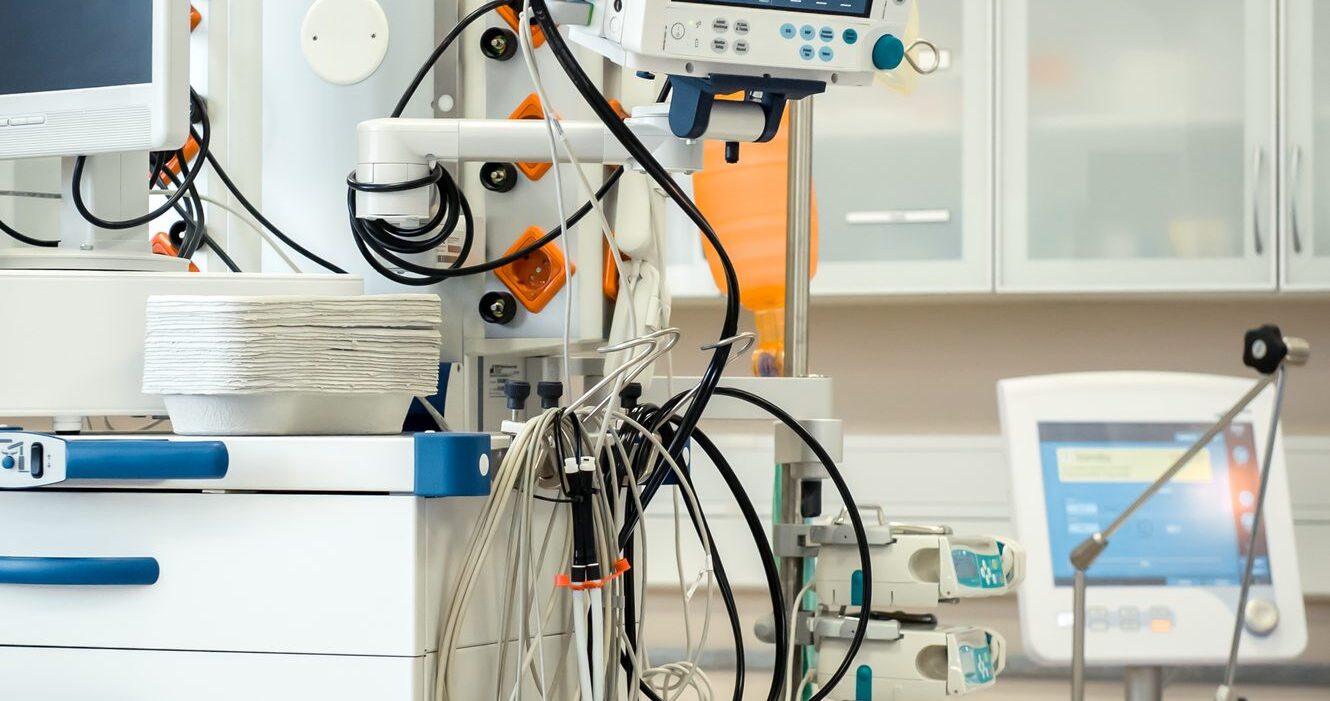
Wrapping and protecting medical wiring harnesses is essential to ensure their longevity, functionality, and safety in demanding environments. Proper protection helps wiring harnesses resist wear, high temperatures, corrosion, electromagnetic interference (EMI), and noise, all of which are common concerns in medical equipment. These protective measures not only improve durability but also enhance the overall performance and aesthetics of the wiring harness.
Just like other types of wiring harnesses, medical wiring harnesses require specialized materials to address these challenges. Let’s explore some common protective materials used to wrap medical wiring harnesses and their respective benefits.
1. Bellows for Medical Wiring Harness Protection
Bellows are commonly used for wiring harness protection due to their exceptional properties, including wear resistance, high-temperature endurance, and flame retardancy. They are particularly effective in high-temperature environments where wiring harnesses are exposed to extreme conditions.
Temperature Range: Bellows offer excellent temperature resistance, typically ranging from -40°C to 150°C.
Materials: There are two main materials used for bellows—PP (Polypropylene) and PA (Polyamide). PA material offers superior flame retardancy and wear resistance, making it an ideal choice for environments with higher safety standards. On the other hand, PP provides better bending fatigue resistance, making it ideal for areas where the wiring harness needs to be flexible.
Usage: Bellows are often used to wrap wiring harnesses in areas where there is significant movement, as their flexibility and durability make them ideal for protecting the wires against wear and environmental factors.
2. PVC Pipes for Wiring Harness Protection
PVC pipes are another common material used for wiring harness protection, especially for areas requiring flexibility and resistance to bending.
Functionality: PVC pipes help to protect wiring harnesses by allowing for smooth transitions in bends and branches of the wiring harness, preventing kinks or stress on the wires.
Bending Resistance: The flexibility of PVC pipes makes them ideal for applications where wiring harnesses need to bend without risking damage to the wires inside.
Temperature Resistance: While PVC pipes are effective for many applications, they have a temperature resistance limit of about 80°C. This makes them suitable for environments that don’t exceed moderate heat exposure.
To extend the service life of medical wiring harnesses and maintain their optimal performance, selecting the appropriate protective materials is crucial.
3. Tape for Wiring Harness Protection and Insulation
Various types of tape are widely used to secure, insulate, and protect wiring harnesses. The primary functions of wiring harness tapes include wear resistance, flame retardancy, insulation, noise reduction, and even aesthetic enhancement.
Types of Tape:
PVC Tape: This tape is often used for general wiring harness applications due to its good wear resistance, flame retardancy, and low cost. It can resist temperatures up to approximately 80°C. However, it is not as effective for noise reduction.
Flannelette Tape: Made from PET (Polyethylene Terephthalate), this tape excels at bandaging wiring harnesses and providing noise reduction. It has a higher temperature resistance of about 105°C, though it is more expensive and less flame-retardant than PVC tape.
Duct Tape: Also made of PET, duct tape offers excellent wear resistance and a high temperature resistance of about 150°C. It’s ideal for environments where temperature fluctuations are common, but its poor flame retardancy makes it less suitable for high-risk areas.
Benefits: The right type of tape can also aid in the wiring harness’s insulation and noise reduction, which is particularly crucial in sensitive environments such as medical equipment, where electromagnetic interference can affect performance.
4. Overall Importance of Proper Wrapping and Protection for Medical Wiring Harnesses
For medical wiring harnesses, protection is not just about durability but also ensuring safe and reliable operation within medical equipment. These wiring harnesses are often used in critical applications, including patient monitoring systems, imaging devices, and life-support machinery, where failure or malfunction could have severe consequences.
By using the right combination of materials—whether it be bellows, PVC pipes, or various types of wiring harness tapes—the medical wiring harness is protected from mechanical wear, thermal stress, and environmental factors. This protective layer also helps to minimize risks associated with electromagnetic interference and ensures that the wiring harness can function in a variety of demanding medical environments.