





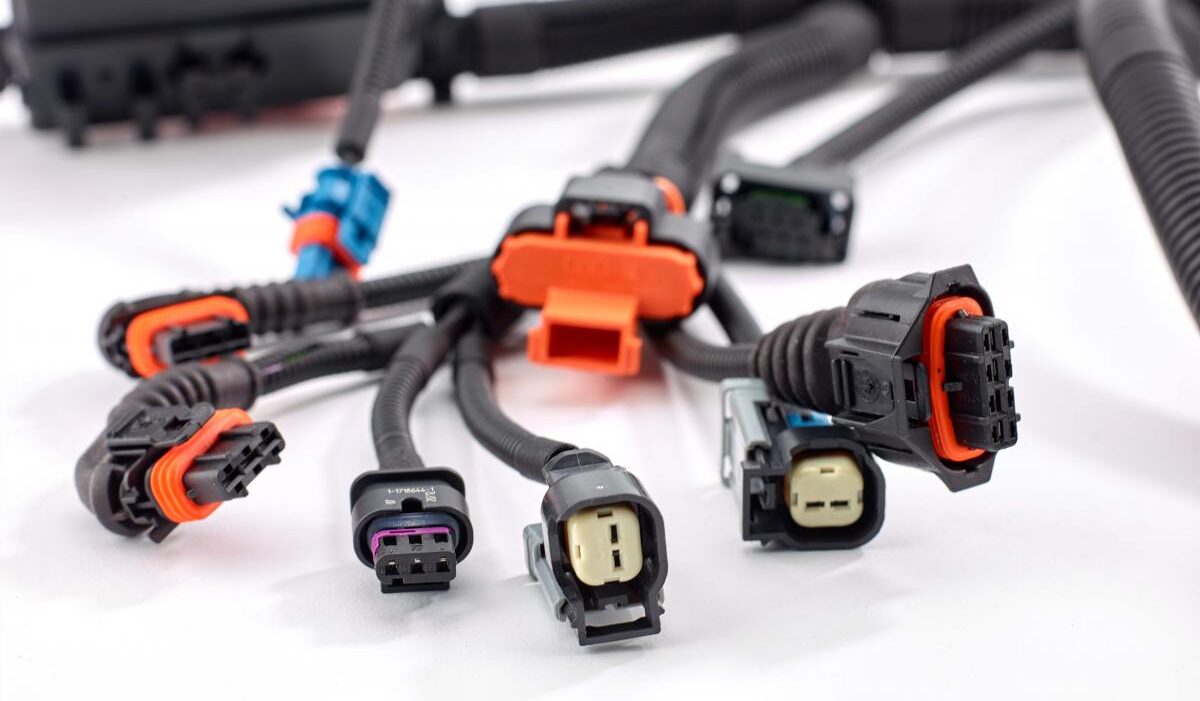
Understanding the Importance of Automotive Wiring Harnesses
Automotive wiring harnesses are essential components that serve as the backbone of a car’s electrical system. Often compared to the blood vessels of the human body, a wiring harness functions to deliver electrical power and signals to various parts of the car. Just as the heart beats because of blood flow, a car’s engine operates smoothly due to the wiring harness that connects its electrical components. Therefore, the quality and stability of the wiring harness are crucial for the vehicle’s overall performance and safety.
Types of Automotive Wiring Harnesses
Automotive wiring harnesses can be categorized into two main types: main wiring harnesses and small wiring harnesses.
1. Main Wiring Harnesses: These include the engine harness, center box harness, instrument panel harness, and cockpit harness. They handle the main power distribution and communication between the car’s central systems.
2.Small Wiring Harnesses: These include door wiring harnesses, battery wiring harnesses, and ABS brake wiring harnesses. These harnesses support specific components, ensuring proper functioning of various systems within the vehicle.
Additionally, wiring harnesses can be divided into high-voltage and low-voltage categories based on their electrical requirements. High-voltage wiring harnesses are designed to carry higher voltage and lower current, which necessitates thicker insulation and thinner core wires. Conversely, low-voltage wiring harnesses are typically used for less demanding applications.
Key Materials in Automotive Wiring Harness Production
A wiring harness is primarily composed of wires and cables that are crimped with copper terminals and insulated with materials such as plastic or metal sheaths. This construction forms a secure and reliable electrical connection across the vehicle’s systems. The wiring harness plays a critical role in relaying operational data to the car’s on-board computer and ensuring the proper functioning of various electrical appliances.
As automotive technology advances, so too do the demands on wiring harnesses. The evolution of car electronics, which increasingly prioritize economy, comfort, and reliability, means that wiring harnesses must adapt to meet higher technical standards. The automotive wiring harness industry is shifting from a focus on low-cost solutions to more cost-effective options with enhanced technological capabilities.
The production of wiring harnesses is becoming increasingly sophisticated as vehicles integrate more advanced electronics and higher voltage systems. With the shift towards electric vehicles and the demand for lightweight, standardized, and high-performance wiring harnesses, manufacturers are faced with the challenge of meeting these evolving needs. As the industry continues to grow, understanding the basic materials and production processes behind wiring harnesses will be crucial for ensuring the continued success and reliability of modern vehicles.
Automotive Wiring Harness Trends and Developments
With the growing importance of electronics in modern vehicles, the demand for wiring harnesses is continuously evolving. These developments include:
Standardization: As the automotive industry moves towards standardized solutions, wiring harnesses are becoming more modular and uniform in design, which helps reduce manufacturing costs and improve efficiency.
High-Voltage Wiring Harnesses: As electric vehicles (EVs) become more common, the need for high-voltage wiring harnesses has increased. These harnesses must be capable of handling the demands of high-power systems while ensuring safety and durability.
Lightweight Materials: The trend towards reducing vehicle weight for improved fuel efficiency has led to a growing demand for lightweight materials in wiring harnesses. This includes the use of more efficient insulation and cabling materials.
The Production Process of Automotive Wiring Harnesses
The wiring harness production process involves several key stages:
1.Wiring: This involves cutting and stripping the wires to the required lengths, followed by arranging them into a bundle.
2.Crimping: Copper terminals are crimped onto the wires, ensuring secure electrical connections.
3.Preassembly: Components such as connectors, terminals, and insulation are preassembled before the final assembly of the wiring harness.
4.Assembly: The preassembled components are bundled together and fixed with ties or clips, creating the final wiring harness ready for integration into the vehicle.
One of the most critical materials used in wiring harness production is heat shrink tubing. This insulation material is essential for protecting the wires and connectors from damage due to heat, moisture, and mechanical stress. However, the use of heat shrink materials in domestic car manufacturing remains relatively low, at about 20%. Globally, the majority of the market share is dominated by companies like Raychem from the United States and Sumitomo from Japan, which supply 80% of the heat shrink materials used in wiring harnesses.