




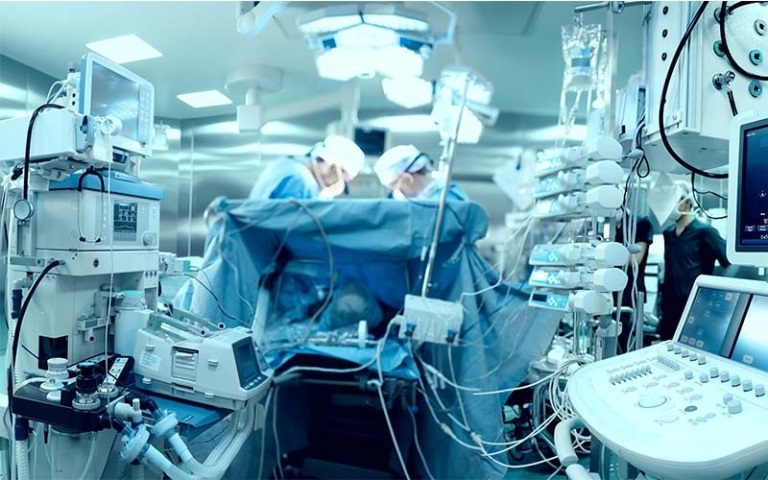
Maintaining medical equipment is a complex and essential task, especially when it comes to the wiring harness systems within these devices. Many medical institutions have dedicated equipment sections to ensure the safety and functionality of their devices, yet there are still common maintenance issues that often go overlooked. This guide aims to highlight essential practices for maintaining medical equipment wiring harnesses to ensure their optimal performance and prevent potential issues.
1. Daily Maintenance: Ensuring Smooth Operation of Medical Equipment
Daily maintenance might seem straightforward, but it is often neglected, leading to bigger problems over time. This is particularly true for wiring harnesses, which are integral to the proper functioning of medical devices. It’s crucial to:
- Clean the surface of the medical equipment, including its wiring harness, to avoid dust and debris accumulation that could cause malfunction.
- Check voltage and power supply regularly before usage to ensure the wiring harness is properly connected and functional.
- During use, monitor if the equipment is working as expected, paying particular attention to the performance of the wiring harness and any signs of wear or malfunction.
Developing good maintenance habits for the wiring harness and the equipment as a whole is essential for preventing future damage.
2. Careful Handling During Equipment Maintenance
When a fault occurs in medical equipment, it’s crucial to handle the situation with care. Proper procedures for inspecting and disassembling equipment, including its wiring harness, are essential to prevent further damage.
After the repair, make sure the wiring harness is properly restored, all connections are secure, and the system is tested to ensure normal operation. Calibration of instruments should also be done after maintenance, especially for devices dependent on precise wiring harness functions.
1. Collect relevant information before starting the maintenance: model, serial number, and failure time. This includes investigating if the wiring harness is loose, disconnected, or if there’s any visible damage.
2.When disassembling, ensure that you handle the wiring harness carefully, removing screws and parts in an organized manner to avoid loss or improper reassembly.
3.After the repair, make sure the wiring harness is properly restored, all connections are secure, and the system is tested to ensure normal operation. Calibration of instruments should also be done after maintenance, especially for devices dependent on precise wiring harness functions.
3. Careful Handling During Equipment Maintenance
When a fault occurs in medical equipment, it’s crucial to handle the situation with care. Proper procedures for inspecting and disassembling equipment, including its wiring harness, are essential to prevent further damage.
- Collect relevant information before starting the maintenance: model, serial number, and failure time. This includes investigating if the wiring harness is loose, disconnected, or if there’s any visible damage.
- When disassembling, ensure that you handle the wiring harness carefully, removing screws and parts in an organized manner to avoid loss or improper reassembly.
- After the repair, make sure the wiring harness is properly restored, all connections are secure, and the system is tested to ensure normal operation. Calibration of instruments should also be done after maintenance, especially for devices dependent on precise wiring harness functions.
Maintaining medical equipment requires attention to detail, especially when it comes to the wiring harnesses that power and connect key components. By following proper daily, maintenance, and inspection procedures, medical institutions can ensure their equipment operates efficiently and safely. Regular care and vigilance will not only extend the lifespan of the equipment but will also ensure that wiring harnesses are kept in optimal condition to support the demanding needs of medical environments.