





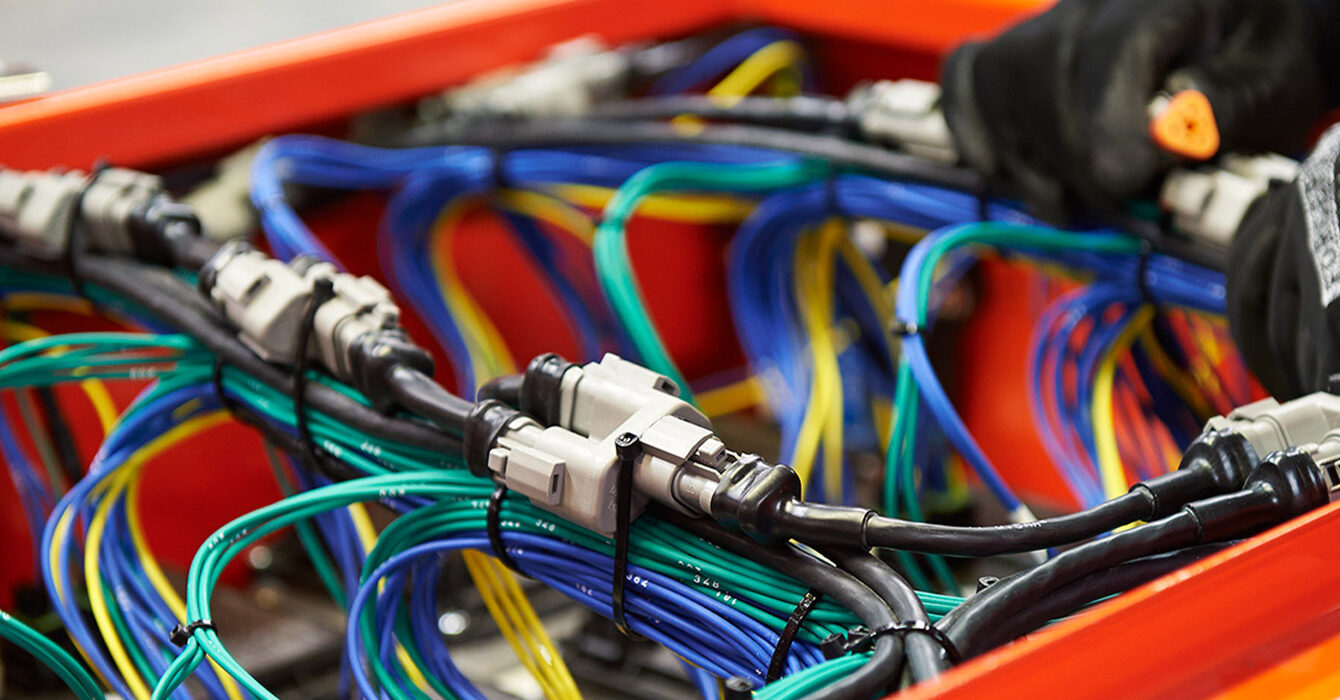
In the industrial sector, wiring harnesses are essential components that ensure reliable power and signal transmission for machinery and equipment. These custom-made solutions are designed to meet specific operational needs, from factory automation to heavy machinery. Choosing the right wiring harness for industrial applications involves careful consideration of materials, specifications, and manufacturing processes. This article outlines how to select a wiring harness that meets both technical requirements and industry standards, ensuring safe, reliable, and efficient operation in demanding industrial environments.
Step 1: Understanding the Industrial Application Requirements
The first step in choosing the right wiring harness solution is to thoroughly understand the application and operational conditions. Different industrial sectors, such as automotive, manufacturing, robotics, and energy, have varying requirements for electrical connections:
1.Power Needs: High-power industrial equipment requires wiring harnesses capable of handling large currents without overheating or degrading. The specifications for wire gauge and insulation must reflect the power load and voltage requirements of the system.
2.Signal Integrity: For industrial automation and control systems, signal integrity is critical. A wiring harness must be designed to minimize signal loss, interference, and electromagnetic disruption, which are common in factory environments.
3.Environmental Conditions: The working environment plays a significant role in material selection. For outdoor or harsh environments, wiring harnesses must be resistant to temperature fluctuations, moisture, chemicals, and mechanical stress.
4.Space Constraints: In some industrial setups, space is limited, and wiring harnesses need to be compact and flexible. The design should maximize the available space while maintaining safe and effective operation.
By understanding these requirements, manufacturers can choose a wiring harness solution that meets both functional and environmental needs.
Step 2: Selecting the Right Materials for Durability and Performance
Material selection is one of the most critical factors when designing an industrial wiring harness. The materials used for conductors, insulation, and protective coverings must meet the specific performance and durability requirements of the application:
1.Conductors: Copper is the standard conductor material due to its excellent conductivity. For high-current applications, copper is ideal, but for cost-sensitive applications, aluminum may be a suitable alternative. In some specialized applications, wiring harnesses may use tin-plated copper or other alloys to improve corrosion resistance.
2.Insulation Materials: The insulation must withstand extreme temperatures, mechanical stress, and environmental exposure. Common materials include PVC, Teflon (PTFE), silicone rubber, and cross-linked polyethylene (XLPE). Silicone and PTFE are often chosen for their high-temperature resistance, while PVC is more cost-effective for less demanding environments.
3.Protective Sleeving and Jackets: For wiring harnesses used in harsh industrial settings, protective sleeving is essential to guard against abrasion, chemical exposure, and physical damage. Braided nylon or steel wire sleeves can be used for added durability in high-friction environments.
4.Connectors and Terminals: The connectors must be rated for the required voltage, current, and environmental conditions. Industrial wiring harnesses often use heavy-duty, weatherproof connectors with corrosion-resistant contacts to ensure a long-lasting connection.
By selecting the right materials, engineers can design wiring harnesses that are durable, reliable, and suitable for the industrial environment.
Selecting the right wiring harness for industrial applications requires a clear understanding of the requirements, careful material selection, adherence to specifications and standards, and thorough testing. By following a systematic approach to design and manufacturing, you can create a wiring harness that ensures reliable performance, meets safety standards, and enhances the longevity of industrial equipment. Whether for high-power machinery or complex automation systems, choosing the right wiring harness solution is essential for the success of any industrial operation.
Step 3: Defining Specifications and Standards
Once the materials have been selected, defining the specifications for the wiring harness is essential to ensure compliance with industry standards and regulatory requirements:
1.Voltage and Current Ratings: The wiring harness must be rated for the correct voltage and current load. For heavy machinery, this may involve selecting larger gauge wires, while smaller electronics require precise, low-voltage specifications.
2.Mechanical and Environmental Standards: Industrial wiring harnesses often need to meet specific mechanical and environmental standards, such as resistance to vibration, moisture, and high temperatures. Standards such as IP (Ingress Protection) ratings, UL certification, and RoHS compliance are common requirements for industrial applications.
3.Flexibility and Durability: Depending on the application, the wiring harness may need to be flexible enough to withstand frequent movement or bending, such as in robotic arms or automated production lines. The selected materials and design should allow the harness to perform over time without degrading.
4.Safety Considerations: Safety is paramount in industrial environments. The wiring harness design should include features like insulation that prevents electrical hazards, flame-resistant materials, and grounding options to ensure safety for both the equipment and operators.
By defining clear specifications and adhering to industry standards, you can ensure that the wiring harness will perform safely and efficiently in its intended application.
Step 4: Customization and Manufacturing Process
Once the requirements and specifications are set, the next step is to design and manufacture the wiring harness. The process involves several stages to ensure the final product meets the operational and safety standards:
1.Designing the Harness Layout: The layout of the wiring harness must be optimized for routing through the equipment. The wires should be bundled in a way that minimizes friction, heat buildup, and interference with other components.
2.Crimping and Termination: Wiring harnesses are typically assembled by crimping terminals onto the wires, which ensures a secure and reliable connection. Automated machines are often used in industrial environments for consistent and precise crimping.
3.Testing and Quality Control: After the wiring harness is assembled, it should undergo rigorous testing to ensure that all electrical connections are secure and functional. Continuity testing, insulation resistance testing, and mechanical stress testing are often performed to ensure the harness meets performance standards.
4.Final Assembly and Integration: Once the wiring harness has passed all tests, it is ready for final assembly and integration into the industrial equipment. The wiring should be securely routed and protected from any potential sources of damage.
Step 5: Implementing the Wiring Harness in Industrial Applications
The final step is the installation and ongoing maintenance of the wiring harness within the industrial system. Proper integration into the equipment is critical for optimal performance and longevity:
1.Installation: The wiring harness must be carefully routed within the system, ensuring that it is not subjected to unnecessary tension, sharp bends, or friction. Proper installation also ensures that the harness remains protected from environmental factors.
2.Maintenance and Inspection: Regular inspections and maintenance of the wiring harness are necessary to ensure that it continues to operate efficiently. This includes checking for wear, corrosion, and damage to the insulation or protective coverings.
Selecting the right wiring harness for industrial applications requires a clear understanding of the requirements, careful material selection, adherence to specifications and standards, and thorough testing. By following a systematic approach to design and manufacturing, you can create a wiring harness that ensures reliable performance, meets safety standards, and enhances the longevity of industrial equipment. Whether for high-power machinery or complex automation systems, choosing the right wiring harness solution is essential for the success of any industrial operation..